How a Florida Keys Liquor Store Owner Expanded Her Portfolio with Babycham Liquors
Rachel Horner
May 27, 2026 ⋅ 5 min read
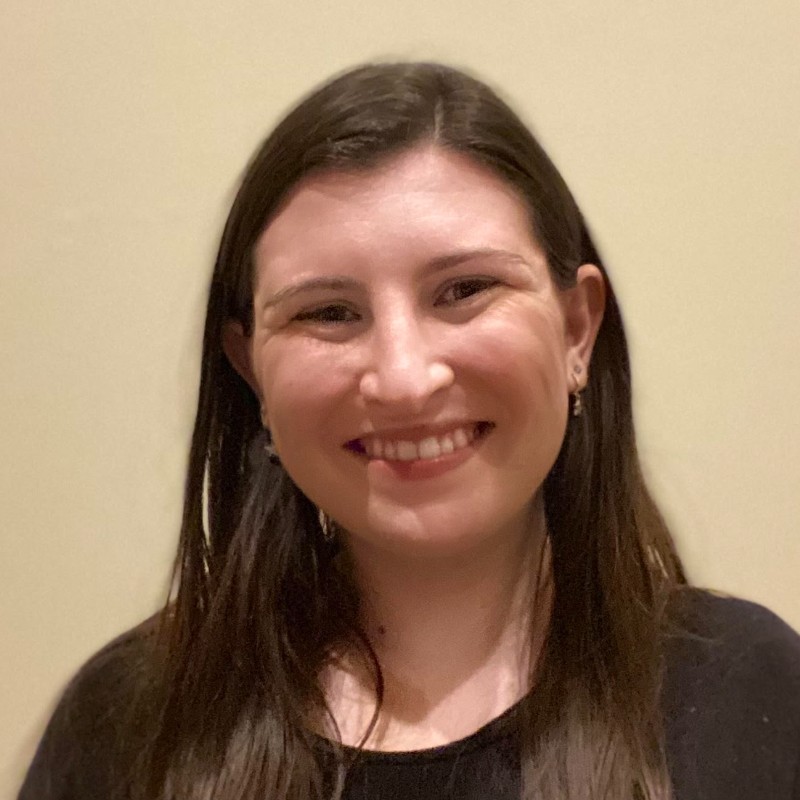
Stephani Prendes has owned liquor stores in the Florida Keys since 2018. When she and her husband were ready to expand, they found Babycham Liquors on Baton. Here's how they did it.
Finding the Right Deal with Verified Financials
Like most buyers, Stephani started where most buyers start: the big listing aggregators. Her husband spotted Babycham on one of the major sites, which eventually pointed them toward Baton.
They'd looked at plenty of other businesses before landing here. Most didn't make it past the numbers.
"Once we would do the research on the numbers and really just kind of calculated if it made sense, it didn't seem to make sense for us."
What they were looking for was specific: a liquor business that could run without them in it every day. Semi-passive, proven, and financially consistent. Babycham checked every box and the financials backed it up.
"There was nothing that came up that we didn't already anticipate. The seller ran his business very well."
What Made Baton Stand Out
Stephani knew the ins and outs of buying a business and she was looking for a deal. Once she was in Baton's system, a few things were immediately apparent.
"It's a platform that's very user friendly, that has a very supportive team. I definitely recommend it. I had a great experience."
For an experienced buyer, frictionless document access matters. Due diligence moves fast when you've done it before, and having everything organized and available made the evaluation straightforward.
Her advisor, Fahad, helped handle hurdles further along in the deal. Stephani and her husband had bought both of their Florida Keys stores using seller financing; Babycham was their first SBA deal. Fahad provided weekly check-ins and was on hand for every question the process threw at them.
"Fahad was very helpful. He was definitely checking in often and he was trying to offer solutions whenever we'd have some kind of pushback from the bank. At one point they wanted me to get life insurance to cover the loan, and he was willing to give us some options in that department. He was really just on top of everything and great with his communication."
The Deal Structure and How it Came Together
Babycham was originally listed as one business with two locations. Stephani and her husband structured the acquisition as two separate businesses.
Inventory, always a moving target in retail, was handled carefully. They asked the seller to draw it down before close, and he did.
"We asked him to please just try to shave it down as much as possible, just sell as much as you can before we take over. And he was able to really reduce that number drastically, which helped us a good amount."
The remaining inventory balance was seller-financed. The seller has been easy to work with ever since.
"We're responsible buyers. We pay our bills on time and he's been very happy."
Modernizing the Business After Close
All four of the stores Stephani and her husband have bought came from sellers who were retiring. The pattern is consistent: strong businesses, experienced operators, and enough paper on the floor to fill a filing cabinet.
"It's very common to just see these piles of paperwork."
The first major change at Babycham was a new POS system. That one decision touched almost everything: delivery integrations, inventory receiving, back-end reporting.
"A lot of that work had to be done manually. Now it's integrated into the POS. We have DoorDash in one of our stores, and we're bringing in GrubHub and Uber Eats. It also has helped us on the back end with receiving; they use AI and you really just scan your invoice and it takes a fraction of the time."
What's next for Stephani?
Stephani and her husband aren't done expanding.
"There's definitely more in the future. We're looking to grow, hopefully sometime soon."
Stephani's Advice for First-Time Buyers
Run your own numbers, and look for room to grow.
"Make some projections, but take the financials that you're given for that year and for the previous years and really just sift through them. But also go in there with an idea of what you can do to increase those numbers. Don't go in there expecting it to change overnight, but keep in mind that when you go in there, there's a lot of opportunity for growth and you should be identifying what that is."
Payroll is a tell.
"If I see that the payroll is very low, that tells me that the owner is probably in there even though they're saying they're not. And that to me is a red flag because for my particular dynamic, it wouldn't work out for me to have to be there."
Check the lease before you fall in love with the business.
"I look at how much time is left on the lease. Not that that's always going to be a deal breaker, but I do look at that. I look at how long the person's been in business. I look at the P&L, and I like to see at least three years."
Expect a transition period and be patient through it.
"If the seller was very hands-on and was there a lot, the employees are used to having somebody there every single day. If you're transitioning into being more of an absentee owner, there's going to be a learning curve. Sometimes you won't even realize what systems aren't in place until you're trying to get something done and you realize the seller was the one doing this every single day."